
Description
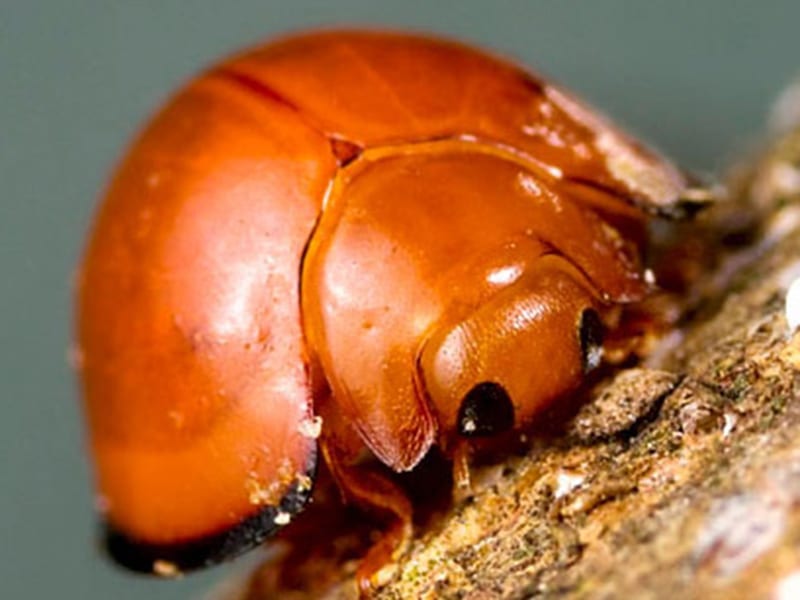
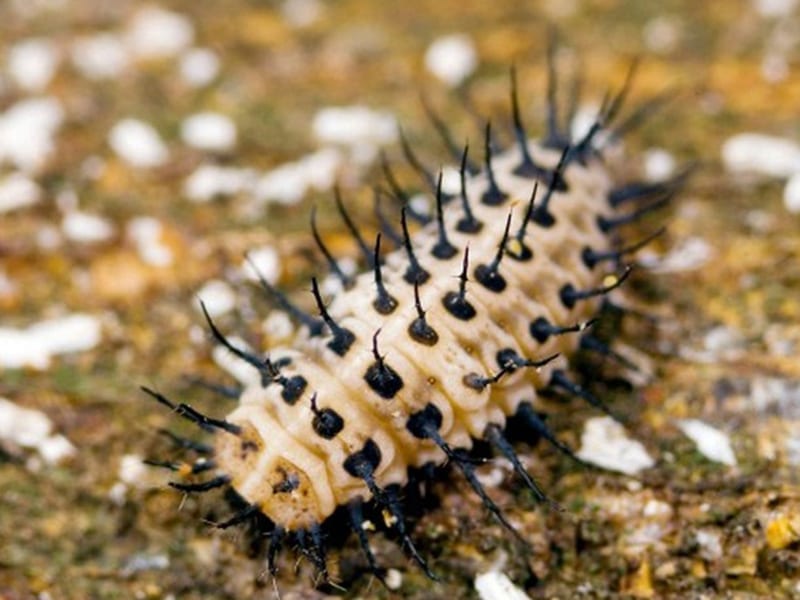
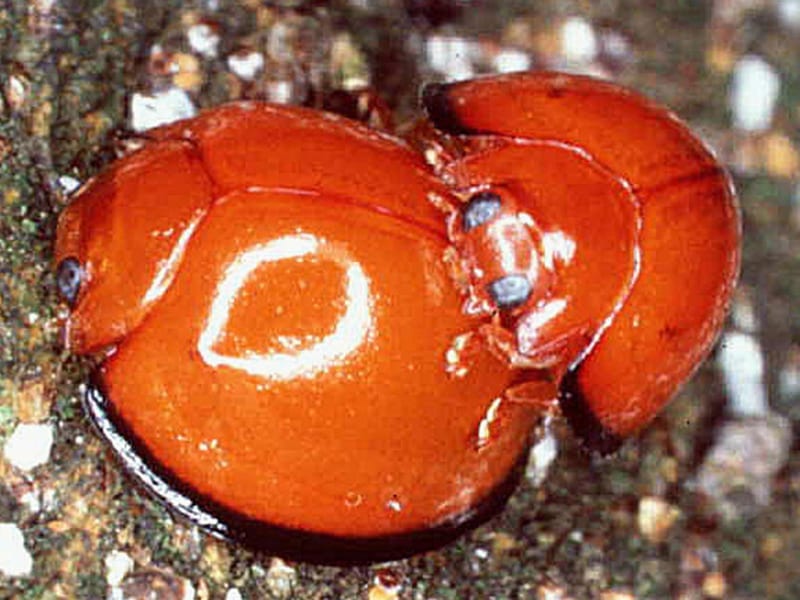
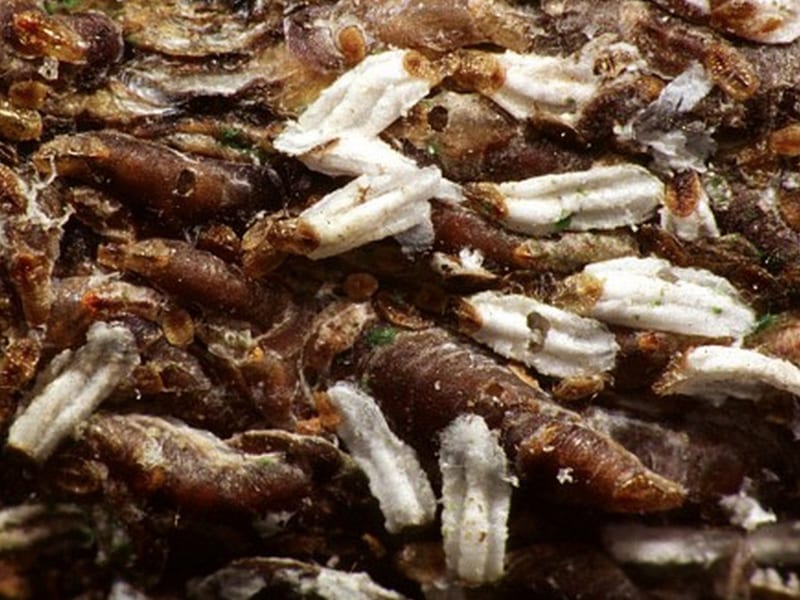
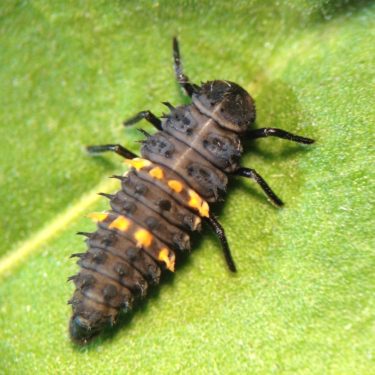
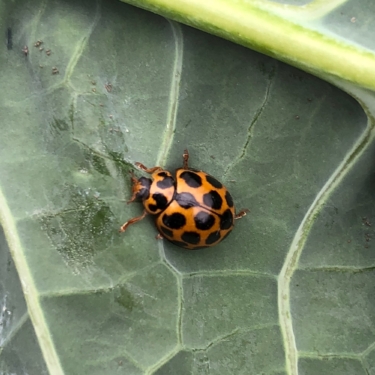
Chilocorus (Chilocorus circumdatus) ladybird beetles are important predators of many species of armoured scale insects. The beetles are orange and about 5 mm long. They lay cylindrical eggs beneath the cover of scale insects. At 25°C the eggs take about a week to hatch. The developing larvae then feed on the scale insects. The larvae have pronounced spines all over their bodies. After about 10 days the larvae migrate to sheltered areas and pupate.
Adult beetles emerge 7-9 days later to mate and the females soon start laying eggs. At an optimum temperature of around 28°C the life cycle takes approximately 1 month. Chilocorus beetles live for 4-8 weeks.
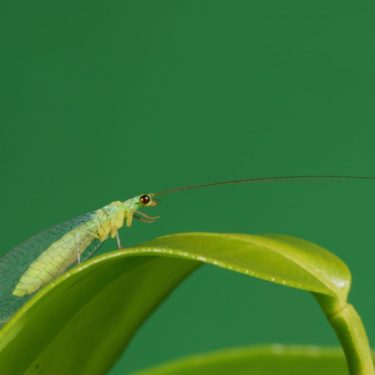
Complementary biocontrol agents that may assist in the management of armoured scale insects include Aphytis wasps and Green Lacewings.
Download our Chilocorus technical information sheet
Target pests
Armoured scale insects, including:
- Red scale
- Oriental scale
- Oleander scale
- White louse scale (citrus snow scale)
Advantages
- An excellent alternative to chemical control
- Chemical control of scale pests is difficult because they have hard, waxy protective covers and remain stationary for most of their lives
- The development of resistance to pesticides by scale insects is an increasing problem in many regions
Suitable crop environments
Like most beneficial insects, Chilocorus prefer environments protected from dust and extremes of heat and low humidity. They can be used in enclosed and outdoor situations.
Recommended release rates
Unlike chemicals, when it comes to beneficials, more is always better. However, they are costly to produce and our goal is to achieve the best results at minimal expense. There are many factors to consider, including the value of the crop, the severity of the pest outbreak and the activity (or otherwise) of naturally occurring beneficial species.
As a general rule, 2-3 releases of modest numbers is better than a single large release. This reduces risk, improves establishment and accelerates the development of multiple overlapping generations. In most cases our releases are inoculative and we anticipate that our beneficials will establish and breed up within the crop to give long term control.
Release rates will vary depending on the crop and level of infestation. The table below is only a guide – contact us for specific recommendations.
| Situation | Rate (per release) | No. of releases | Release interval |
| Protected crops | 1-10 beetles/10 m2 | 2-3 | 3-6 weeks |
| Orchards | Min. 1,000 beetles/ha | as required | 2-3 weeks |
When to release
Chilocorus should ideally be introduced at the first sign of pest activity. In outdoor crops it is particularly important to get Chilocorus established before the pest population builds up to high and damaging levels. In indoor or nursery environments they can be released regularly whenever scale insects are present. For example, a full release made early in the season followed by regular top-up releases at intervals of 3-6 weeks works well.
If the pest population is already high, consider applying a narrow-range petroleum oil (targeting the crawler stage) prior to releasing Chilocorus.
How to release
Before release, check prior history of chemical applications to ensure toxic residues are no longer present. See notes on chemical use below.
Adult Chilocorus beetles are supplied with honey or glucose syrup as a food source during transit. On arrival, they should be tapped out of their container onto plant foliage near scale infestations.
In the event of adverse weather such as extreme heat or high rainfall, they may be stored for a couple of days in a dark room at about 10-18°C. They should be given extra honey (smeared onto the breathable black cloth) during storage.
After release
The beetles should rapidly disperse throughout the treated area when released. Adults will begin to consume scale insects immediately but it may be up to two weeks before larvae can be observed feeding on the pest.
Regular monitoring is recommended following release to check that Chilocorus have established. Top-up releases may be needed in crops with heavy scale infestations. Do not expect to see adult beetles readily after release. Note that the larvae look very different to adult beetles.
Cultural practices to aid establishment
- Ants are often associated with infestations of scale insects. They actively defend these pests from their natural enemies. Controlling or reducing ant numbers can improve the efficacy of biocontrol agents that target scale insects. See our ant control blog for further details.
- When releasing adult ladybird beetles, we recommend the use of sleeve cages to monitor and aid in the establishment of a local breeding population. You can purchase our ‘beetle bags’ or make your own sleeve cages.
- Practices that reduce wind and dust will help the beetles establish.
- Avoid releasing the beetles where bright lights may attract them away from the release area (e.g. in shopping centres and office blocks it is best to release them after hours).
Chemical use
Pesticide residues may slow or prevent the establishment of Chilocorus. Copper and nutritional sprays are generally not harmful and many miticides are also quite safe. Organophosphate, carbamate and synthetic pyrethroid insecticides are very toxic and should be avoided where possible. If these sprays are applied, a minimum of 4 weeks should elapse before Chilocorus are released. Prevent drift of pesticides from neighbouring areas. Some insect growth regulators (IGRs) are also harmful to predatory beetles. Pyriproxyfen (Admiral) is particularly toxic to populations of Chilocorus for long periods of time.
If pesticides are required, always check for side-effects and select products that are least harmful to Chilocorus and other key beneficials in your IPM program. Use the Biobest Side Effects app or access the Biobest side-effects manual online.


harry –
Do these kill aphids?